





When we picture reef destruction, we often imagine coral bleaching, oil spills, or anchors dragging across the seafloor. But beneath the surface, another crisis unfolds — one we rarely see. Coral reefs are being poisoned by an invisible tide of toxins: pesticides, plastics, heavy metals, and industrial runoff that silently weaken life from within.
The water may look clear, but chemically, it’s anything but clean.
The Chemical Assault on Coral
Even small doses of pollution can disrupt coral health because reefs function as intricate symbiotic systems. Coral polyps, algae, and the microscopic life around them depend on chemical balance — and toxins tip that balance quickly.
The most damaging pollutants can be grouped into four major categories: pesticides, heavy metals, plastics and microplastics, and toxic sunscreens.
1. Pesticides and Agricultural Runoff
Pesticides and fertilizers used on land often end up in the ocean through rivers and stormwater. They carry nitrogen, phosphorus, and a cocktail of synthetic chemicals toxic to marine life.
- Herbicides like diuron and atrazine interfere with the photosynthesis of coral’s symbiotic algae (zooxanthellae), leading to bleaching even without temperature stress.
- Insecticides damage coral larvae and reduce their ability to settle and grow.
- Fertilizer runoff fuels algal blooms that block sunlight and suffocate reefs.
One study near the Great Barrier Reef found pesticide traces up to 60 km offshore, showing how persistent and far-reaching agricultural pollution can be.
2. Heavy Metals
Heavy metals like mercury, lead, and cadmium enter marine systems from mining, industrial runoff, and even sewage sludge. Corals absorb these metals into their skeletons, where they interfere with growth and reproduction.
- Cadmium inhibits the enzymes corals use for calcification, weakening their skeletons.
- Copper and mercury damage coral tissue and DNA at concentrations as low as a few micrograms per liter.
- Once stored in coral skeletons, these metals persist for decades — a long-term chemical scar.
Heavy metals don’t just affect coral; they bioaccumulate through reef food webs, poisoning fish, crustaceans, and the humans who eat them.
3. Plastics and Microplastics
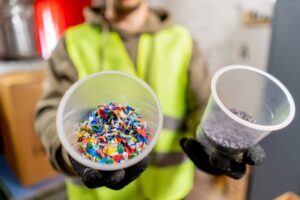
The ocean now contains an estimated 170 trillion pieces of plastic, and coral reefs act as accidental traps. Tiny plastic particles cling to coral surfaces, block light, and leach toxins.
- Microplastics can introduce pathogens such as Vibrio bacteria, increasing coral disease.
- Plastic debris physically abrades coral tissue, opening wounds that invite infection.
- Additives like bisphenol A (BPA) and phthalates disrupt coral reproduction and larval settlement.
One study found that reefs in plastic-polluted waters are 20 times more likely to show disease than those in clean environments.
4. Sunscreens and Coastal Pollution
Ironically, products meant to protect human skin are harming coral. Many sunscreens contain oxybenzone (benzophenone-3), octinoxate, and other UV-blocking chemicals that are toxic to corals even in trace amounts.
- These compounds bleach coral larvae, damage DNA, and deform coral skeletons.
- Just a single drop of sunscreen containing oxybenzone can harm corals in billions of liters of water.
- Popular tourist destinations such as Hawaii, Palau, and Thailand have already banned certain chemical sunscreens to protect reef ecosystems.
Coral-safe mineral sunscreens (using zinc oxide or titanium dioxide) are far safer alternatives — but awareness remains low.
The Cumulative Effect
Each of these pollutants alone is harmful. Together, they form a chemical cocktail that reefs cannot withstand.
Chronic low-level exposure weakens coral’s resilience to other stressors like heat and acidification.
Scientists now describe this as a “multiple stressor environment” — where toxins, temperature, and acidity interact in destructive feedback loops:
- Pollutants weaken coral defenses.
- Weakened corals bleach faster under heat.
- Bleached corals absorb more pollutants through damaged tissue.
The result is collapse — not in one catastrophic event, but in thousands of quiet chemical deaths.
What Can Be Done
1. Regulate and Reduce Land-Based Pollution
- Stronger restrictions on agricultural chemicals near watersheds feeding coral zones.
- Improved wastewater treatment to capture metals and pesticides before they reach the sea.
- Buffer zones and mangrove restoration to naturally filter runoff.
2. Ban Reef-Toxic Sunscreens
- Support and enforce bans on oxybenzone, octinoxate, and similar compounds.
- Promote mineral-based, reef-safe alternatives.
3. Reduce Plastic Use and Improve Waste Systems
- Invest in plastic recovery and recycling infrastructure.
- Support bans on single-use plastics in coastal economies.
- Encourage circular design for packaging and consumer goods.
4. Monitor and Restore
- Expand reef toxicity monitoring programs.
- Support coral restoration efforts that prioritize chemical-safe regions for regrowth.
What Consumers Can Do
- Choose reef-safe sunscreen with non-nano zinc oxide or titanium dioxide.
- Avoid using chemical cleaners and pesticides near storm drains or waterways.
- Support plastic-free and zero-waste initiatives.
- Educate others — most people still think bleaching is only about temperature, not toxins.
Every bottle, spray, and particle washed down the drain eventually flows somewhere — often into the ocean’s most delicate ecosystems.
FAQs
Are toxins more dangerous than temperature stress?
They work together. Toxins lower coral resilience, making bleaching more severe and recovery slower.
Can reefs recover from chemical pollution?
Yes, but it takes years, and only if the pollution source stops. Corals near clean water sources recover faster and grow healthier.
What’s the biggest pollutant threat to reefs?
Oil and pesticides are top-tier threats for immediate toxicity, while plastics and metals cause chronic, long-term decline.
Do marine protected areas help?
They help only if pollution is also managed upstream. Reefs can’t be protected by borders when the problem flows through water.
Final Thoughts
Coral reefs face an invisible tide of toxins — a slow poisoning that’s harder to see than bleaching but just as deadly. Every river that carries pesticide runoff, every plastic bottle that breaks down into fragments, every unfiltered chemical poured down a drain adds to this tide.
Saving coral means more than protecting coastlines — it means cleaning the entire cycle that connects land and sea.
Reefs are not dying in silence; we just haven’t been listening to the chemistry.