






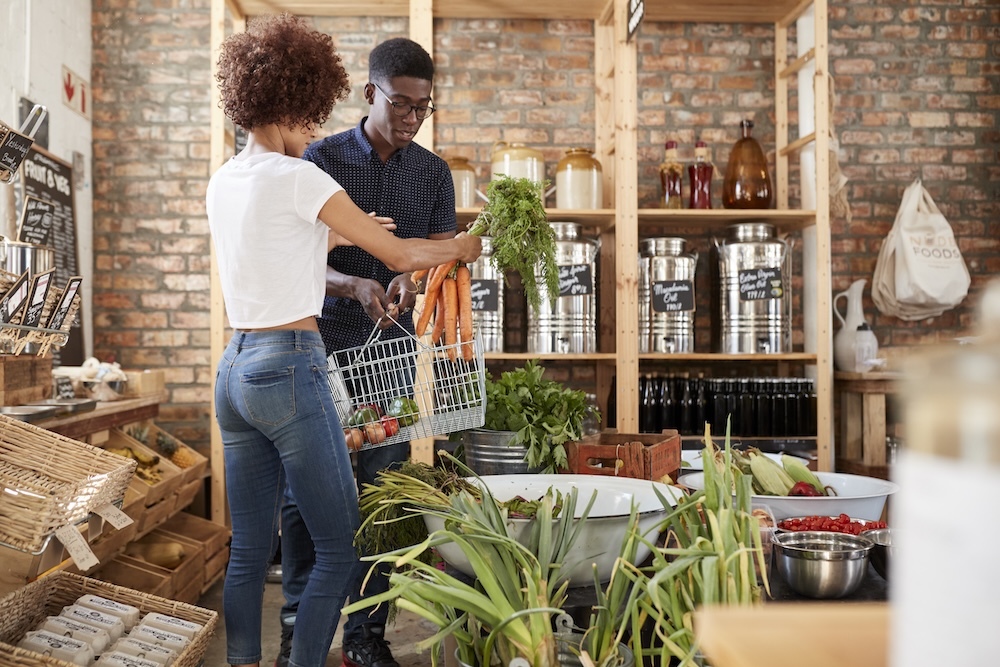
The way we shop for food and household items has a direct impact on our planet. Traditional grocery stores are built on a linear model of “take, make, dispose,” where single-use packaging and high-volume consumption dominate. Zero waste stores, on the other hand, aim to flip this system by promoting a circular economy where resources are conserved and waste is minimized.
But what happens if you don’t have access to a zero waste store, or you still need to pick up items from a regular supermarket? Let’s explore how zero waste stores differ from traditional grocers — and how you can carry sustainable habits into both settings.
How Zero Waste Stores Are Different
1. Packaging and Waste
- Zero Waste Stores: Products are sold without disposable packaging. Customers bring their own jars, containers, or bags, or borrow/reuse store-provided ones.
- Traditional Grocery Stores: Shelves are lined with single-use plastic, multilayered packaging, and individually wrapped items. Even “eco” options often come in non-recyclable packaging.
2. Shopping Experience
- Zero Waste Stores: Encourage intentional shopping — buying only what you need, often in smaller, customizable quantities. This reduces food waste and overconsumption.
- Traditional Grocery Stores: Promote bulk-buying in packaging (often larger than needed), impulse purchases, and convenience-driven choices.
3. Product Sourcing
- Zero Waste Stores: Frequently partner with local farms, artisans, and small producers. Products are often organic, fair trade, or ethically sourced.
- Traditional Grocery Stores: Supply chains are global, with longer transportation distances, higher carbon emissions, and less transparency around sourcing.
4. Consumer Behavior
- Zero Waste Stores: Built to nudge customers toward sustainable habits — reusing, refilling, and rethinking consumption.
- Traditional Grocery Stores: Designed for speed, convenience, and volume — not sustainability.
When You Still Have to Use a Regular Grocery Store
Not everyone has a zero waste store nearby, and that’s okay. What matters is bringing the zero waste mindset into any shopping environment. Here are strategies for staying sustainable when shopping at traditional supermarkets:
- Bring Your Own: Use reusable produce bags, cloth totes, and containers for items from the bulk or deli section.
- Choose Better Packaging: Opt for glass, aluminum, or cardboard over plastic whenever possible. These materials have higher recycling rates and lower environmental impact.
- Shop the Perimeter: Fresh produce, bakery goods, and bulk bins (if available) typically involve less packaging than processed foods in the center aisles.
- Buy Local and Seasonal: Even at big grocers, look for labels indicating local produce. Seasonal items usually have a smaller footprint than out-of-season imports.
- Minimize Food Waste: Plan meals before shopping, stick to a list, and avoid buying more than you’ll realistically use.
- Support Sustainable Brands: When packaged goods are unavoidable, choose brands that use recycled materials, certified sustainable sourcing, or refill systems.
Why This Matters
The average supermarket trip generates dozens of disposable packages that often end up in landfills or oceans. Shifting to zero waste shopping — whether at a dedicated package-free store or through mindful practices in a traditional store — reduces plastic pollution, lowers emissions, and reprograms our relationship with consumption.
Final Thoughts
Zero waste stores represent the future of shopping — one where packaging is eliminated, products are responsibly sourced, and consumers are empowered to live with less waste. But even if you don’t always have access to one, you can still shop with the same principles in mind.
Every choice — choosing bulk grains over plastic-wrapped snacks, a reusable bag over single-use plastic, or local produce over flown-in imports — is a vote for a sustainable food system. Together, these small changes ripple outward into systemic change.