






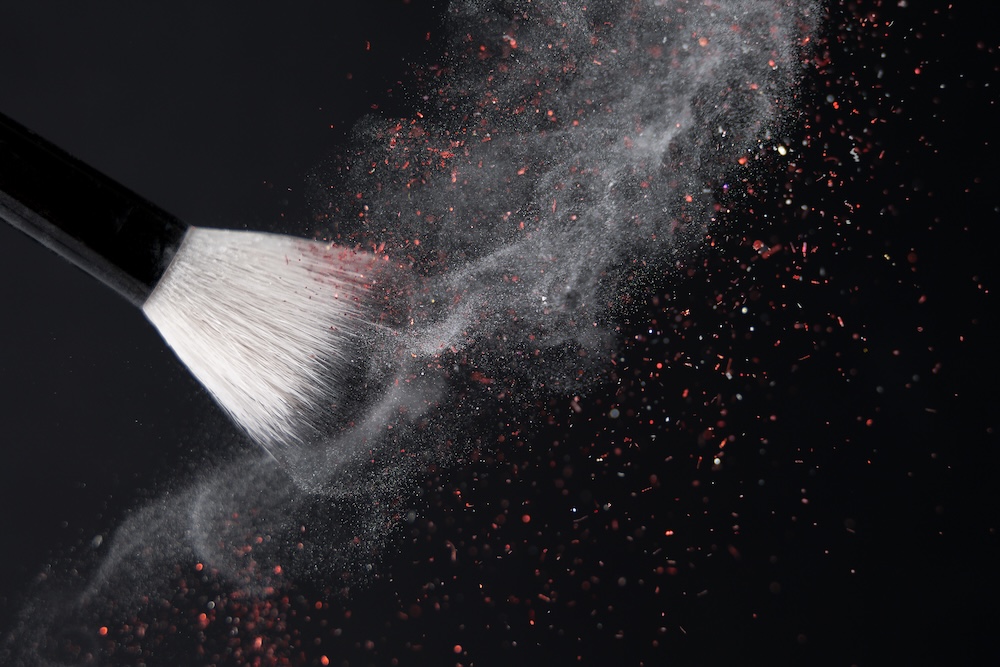
Why Makeup Is Part of the Air Quality Conversation
In 2025, the beauty industry is cleaner and more conscious than ever—but there’s still an invisible issue: makeup particles in the air. Powders, sprays, and even skincare products release micro-sized particles that we inhale, ingest, or absorb through the skin.
While makeup is marketed for skin contact, few consider its airborne impact—especially in small bathrooms, salons, or shared living spaces. The truth? What we put on our face doesn’t always stay on our face.
How Makeup Becomes Airborne
Application Techniques That Release Particles:
- Sprays (setting spray, hair spray, dry shampoo)
- Loose powders (setting powder, mineral foundation)
- Aerosol sunscreens or bronzers
- Compressed powders that break down into dust
Particle Size Matters
- Many particles are under 10 microns (PM10)—small enough to be inhaled
- Ultrafine components (like talc, mica, silica) can become PM2.5, reaching deep into lungs
Where the Risk Is Highest
Bathrooms
- Small, poorly ventilated
- Frequent application in enclosed spaces
Salons and Makeup Studios
- Repeated product use over hours
- Staff exposed daily to airborne cosmetic ingredients
Personal Cars
- Tight spaces with no air filtration
What’s in These Airborne Particles?
Common Ingredients:
- Talc: May contain asbestos-like fibers if not properly sourced
- Mica: Fine particulate that can irritate lungs
- Silica: Can cause respiratory irritation
- Fragrance: Contains VOCs and allergens
- Titanium dioxide: Used for whitening, possibly carcinogenic when airborne
Potential Health Impacts
Short-Term Effects:
- Coughing, throat irritation
- Eye watering
- Headaches or dizziness (from VOCs)
Long-Term Exposure:
- Asthma and allergic sensitization
- Hormonal disruption from phthalates or parabens in aerosols
- Chronic respiratory inflammation
- Potential carcinogenic risk from inhaled mineral dusts
Regulatory Oversight
Currently, the FDA does not regulate airborne cosmetic emissions. Many ingredients are approved for topical use—but not evaluated for inhalation safety.
How to Reduce Exposure
Choose Safer Formats:
- Use cream or liquid products instead of powders
- Choose pump bottles over aerosols
Improve Ventilation:
- Use exhaust fans when applying makeup
- Open windows in small bathrooms
Read Labels:
- Avoid ingredients like talc, fragrance, and parabens when possible
- Look for brands with non-aerosol certifications
Clean Surfaces Frequently:
- Airborne particles settle quickly—wipe down counters and mirrors daily
- Vacuum with HEPA filters
Clean Beauty vs. Air Safety
“Clean beauty” often refers to non-toxic or ethically sourced ingredients—but it doesn’t always address particle safety. A mineral powder may be vegan and organic—but still respirable.
Common Questions About Makeup in the Air
Are makeup powders really dangerous?
Occasional use isn’t likely harmful, but daily inhalation of fine particles over time could pose health risks.
What about salon workers?
They are more at risk. Long hours in environments with aerosols and powders increase exposure.
Do filters help?
Yes. Air purifiers with HEPA and activated carbon filters can capture PM2.5 and VOCs.
Are there safer brands?
Yes. Look for those that focus on cream-based formulas, fragrance-free, and talc-free products.
Final Thoughts: Beauty That Doesn’t Cost Your Breath
Makeup should enhance your appearance—not compromise your air. Understanding that beauty products can become airborne helps us choose safer options, protect indoor air quality, and safeguard long-term health.
In a world of invisible pollutants, the smallest steps—like switching from powder to cream or cracking a window—can have the biggest breath of fresh air.