




Fashion accessories do more than complete an outfit — they reflect how we consume, spend, and express ourselves. But behind every tote, blazer, or piece of jewelry lies a bigger story: the environmental and social impact of the fashion industry. With millions of tons of textiles ending up in landfills each year, the question isn’t just what’s stylish — it’s what’s sustainable.
This post explores how rethinking accessories through circular fashion, slow fashion, and clothing swaps can help reduce waste and create a greener future.
The Problem with Fast Fashion Accessories
Fast fashion thrives on speed and disposability. Trends change quickly, leading to cheap accessories — from oversized bags to bold belts — that are worn a few times before being discarded.
- Globally, an estimated 92 million tons of textiles end up in landfills each year (Ellen MacArthur Foundation).
- The average garment is worn just seven times before being discarded.
- Synthetic accessories like polyester-based belts or plastic-coated bags contribute to microplastic pollution when they break down.
This cycle of overproduction and overconsumption has devastating impacts: rising emissions, resource depletion, and overflowing landfills.
Circular Fashion: Reimagining Accessories
Circular fashion is about designing and consuming products that stay in use longer, are repairable, and can be repurposed or recycled at the end of their life. Accessories play a perfect role in this shift:
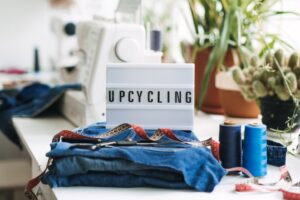
- Big blazers: Instead of buying new, shop second-hand or swap with friends. Tailoring or altering an oversized piece can extend its life for years.
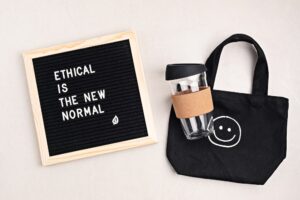
- Supersized totes: Choose durable materials like organic cotton or recycled fibers, designed for long-term use. Some circular brands even take back worn totes for recycling.
- Chunky jewelry: Look for upcycled or vintage pieces. Brands are increasingly creating jewelry from recycled metals, ocean plastics, or discarded electronics.
- Bold belts: Instead of synthetic leathers, opt for belts made from plant-based alternatives (like cactus leather or cork) — or revive an old one with a new buckle.
Each choice keeps resources in circulation and reduces the demand for virgin materials.
Slow Fashion Accessories: Quality Over Quantity
The slow fashion movement encourages buying fewer items of higher quality that last longer. With accessories, this means investing in timeless designs rather than seasonal fads.
- A well-made blazer or classic tote can outlast dozens of fast fashion versions.
- Jewelry crafted from recycled silver or gold doesn’t just last longer — it carries value over time.
- Accessories made with artisanal methods often support fair wages and traditional craftsmanship.
Slow fashion accessories save money in the long run, reduce waste, and support ethical labor practices.
Clothing Swaps and Community Solutions
Not everything needs to be bought new. Clothing swaps, resale apps, and rental platforms are redefining how we access style.
- Clothing swaps: Hosting or joining a swap event helps circulate accessories like belts, bags, or blazers. What one person no longer uses may become another’s favorite piece.
- Rental platforms: For statement accessories you only need once, renting eliminates waste.
- Resale apps and thrift shops: Buying second-hand keeps items out of landfills and extends their lifecycle.
These community-driven approaches shift fashion away from disposability and toward shared value.
Final Thoughts
Fast fashion has fueled a cycle of waste, but accessories can help lead the transition toward zero waste and circular fashion. Whether it’s choosing second-hand blazers, investing in timeless totes, or swapping jewelry within your community, every action reduces landfill waste and keeps resources in play.
The next time you reach for a fashion accessory, ask yourself: Am I adding to the waste problem, or helping build a circular future?


Reader Interactions