






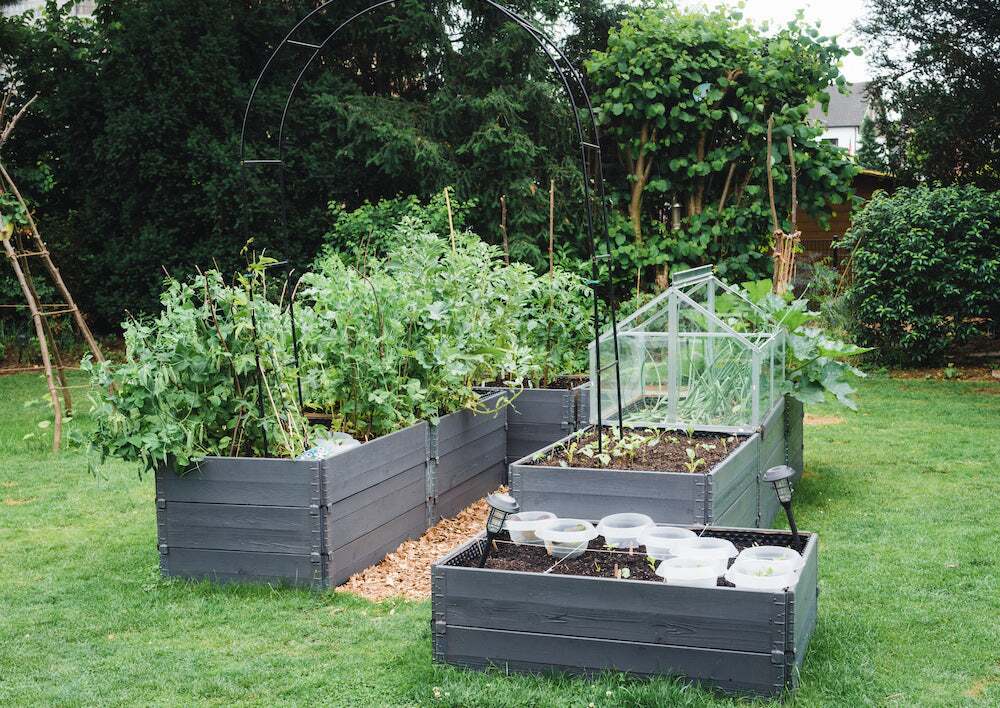
Building raised garden beds is one of the most practical ways to take control of your growing space. Whether you’re dealing with poor soil quality, limited space, or simply want to add structure and beauty to your garden, raised beds provide a solution that is both functional and sustainable. With the right design and materials, they can improve soil health, conserve water, make gardening more accessible, and even discourage pests.
This guide walks you through the process of planning, constructing, and maintaining raised garden beds — with a focus on materials and methods that align with sustainable living.
Understanding Raised Garden Beds
Raised garden beds are freestanding structures filled with soil, typically elevated above the ground by wooden frames, blocks, or other edging materials. They provide:
- Improved soil control: You can create a custom soil mix suited to the plants you’re growing.
- Better drainage: Water drains efficiently, preventing waterlogging.
- Accessibility: Beds raised off the ground reduce bending and can be designed for gardeners with mobility challenges.
- Pest protection: Raised edges can deter some pests and create a barrier against soil-borne diseases.
- Extended growing seasons: Soil in raised beds warms more quickly in spring and can be managed for better year-round productivity.
Choosing the Right Location
The success of your raised beds begins with site selection. Consider:
- Sunlight: Most vegetables and herbs need at least 6–8 hours of direct sunlight daily.
- Water access: Beds should be near a convenient water source for efficient irrigation.
- Drainage: Avoid areas that collect standing water.
- Accessibility: Place beds where they can be easily reached for planting, watering, and harvesting.
Selecting Materials for Raised Beds
Raised beds can be built with many different materials. Choose based on availability, sustainability, and durability.
- Wood: Versatile and easy to work with. Cedar and redwood are naturally rot-resistant. Avoid pressure-treated wood in edible gardens, as it may leach chemicals.
- Concrete blocks: Long-lasting and sturdy, though heavier to install. Hollow blocks can also be filled with soil and planted.
- Recycled materials: Pallets, bricks, or salvaged lumber can be repurposed. Always check that materials are safe for food production and free of toxins.
Each material has trade-offs: wood is lightweight but eventually breaks down, concrete is durable but less flexible, and recycled materials depend on what you have access to.
Building Raised Beds with Wood
Wooden beds are among the most common and affordable to construct.
Steps to build a wooden raised bed:
- Measure and cut: Standard beds are often 4 feet wide (for easy access) and 6–8 feet long. Height typically ranges from 12–24 inches.
- Select wood: Cedar or untreated hardwoods are preferred for longevity and safety.
- Assemble the frame: Use galvanized screws or exterior nails for durability.
- Reinforce corners: Corner brackets or stakes will stabilize the structure.
- Position and fill: Place the frame in your chosen location, line the base with cardboard or landscape fabric if needed, and fill with soil mix.
Constructing Raised Beds with Concrete Blocks
Concrete blocks create durable, modular beds that are resistant to rot and pests.
Steps to build with blocks:
- Prepare the site: Level the ground where the blocks will be placed.
- Arrange blocks: Lay the first course of blocks in a rectangle or square, ensuring each block sits firmly.
- Stack or secure if desired: For taller beds, add a second course.
- Fill gaps: Hollow blocks can be filled with soil and planted with herbs or flowers for added functionality.
While heavier than wood, concrete block beds often last decades with minimal maintenance.
Creating Raised Beds with Recycled Materials
Reusing existing materials is the most sustainable approach. Options include:
- Pallet wood: Ensure pallets are untreated (look for the “HT” — heat treated — stamp).
- Bricks or stones: Provide a natural look and can be stacked into functional borders.
- Salvaged lumber: From old fences, barns, or construction scraps. Sand and seal if needed.
This approach requires creativity but reduces waste and cost while keeping materials in circulation.
Essential Tips for Raised Bed Construction
- Soil depth: Aim for at least 12 inches of soil for most vegetables. Deep-rooted crops may need more.
- Soil mix: A balanced mix of topsoil, compost, and organic matter works best. Replenish compost annually.
- Drainage: Ensure your beds have good drainage, especially if using solid materials like concrete.
- Watering: Drip irrigation or soaker hoses conserve water and provide consistent moisture.
- Maintenance: Inspect wooden beds for wear, top off soil each season, and mulch to retain moisture.
Conclusion
Building raised garden beds is a rewarding project that combines practicality with sustainability. Whether you choose wood for its accessibility, concrete for its strength, or recycled materials for their eco-friendly value, raised beds provide a reliable foundation for thriving gardens. By planning carefully and using sustainable practices, you can create a growing space that is functional, beautiful, and environmentally responsible.