






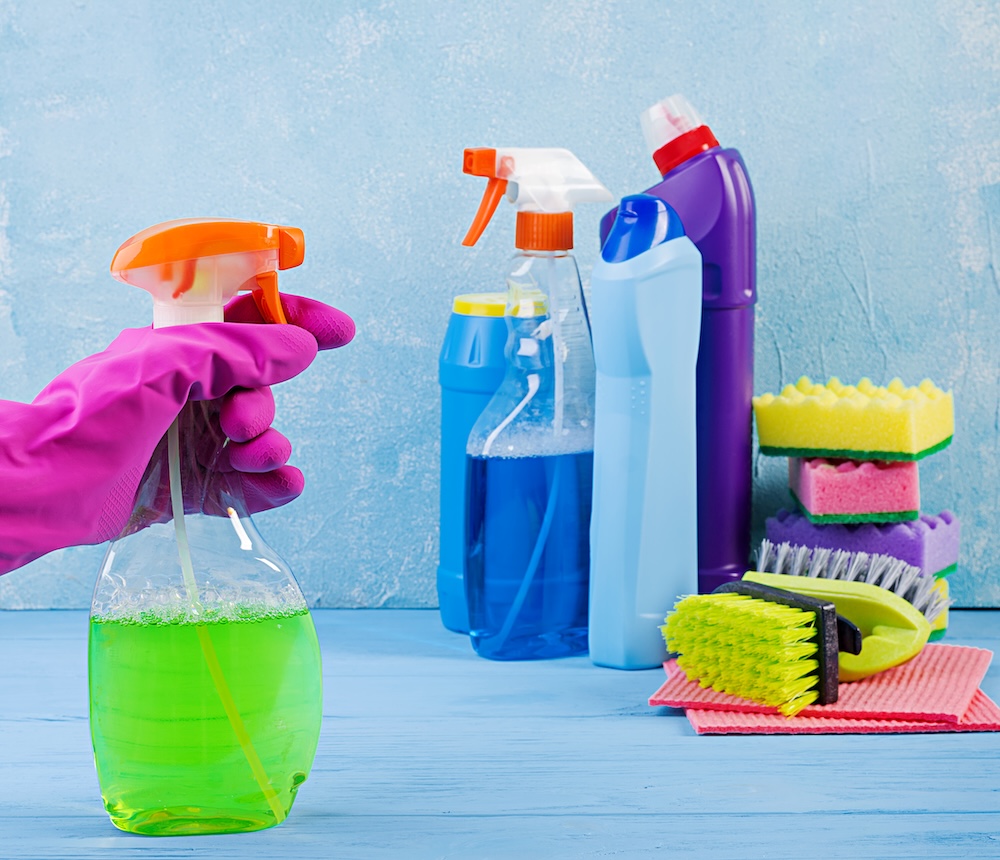
A Clean Surface Doesn’t Always Mean a Clean Conscience
Spray the counter. Wipe the sink. Mop the floor. It smells like lemon or “spring breeze,” so it must be clean. But behind that shine and scent, many common household cleaners leave behind something much less visible—a trail of environmental harm.
From toxic ingredients that linger in waterways to single-use packaging and VOCs that pollute indoor air, our cleaning routines often spread pollution in the name of eliminating it.
This article explores how everyday cleaning habits affect the planet—and how you can keep your home clean without compromising your health or the environment.
What’s Actually in That Spray Bottle?
Most conventional cleaners—whether for kitchens, bathrooms, floors, or glass—contain a mix of synthetic chemicals designed to kill germs, dissolve grime, or mask odor. But those same chemicals:
- Enter air, water, and soil after use
- Pose risks to aquatic life, pollinators, and human health
- Contribute to indoor air pollution and long-term environmental buildup
Common Ingredients with Environmental Impact:
- Phthalates – Used in fragrance, disrupt hormones and persist in water systems
- Ammonia and bleach – Create toxic fumes and irritate lungs, especially in enclosed spaces
- Triclosan and triclocarban – Antibacterial agents that promote antibiotic resistance and harm algae and aquatic life
- Quaternary ammonium compounds (quats) – Disinfectants linked to reproductive toxicity and poor biodegradability
- Sodium hydroxide and ethanolamines – Harsh cleaning agents that damage aquatic ecosystems when rinsed away
Even products labeled “green” may include vague terms like “fragrance” or “surfactants” that hide environmental harm.
Down the Drain: What Happens After You Clean
Most cleaning products are washed down the drain—in the sink, in mop buckets, or through rinsing surfaces.
Municipal water systems can only filter out a limited range of chemicals. As a result:
- Many substances pass through treatment plants unchanged
- These chemicals enter rivers, lakes, and oceans, affecting wildlife
- Some build up in the environment over time and don’t break down
- Others react with disinfectants or water compounds to create toxic byproducts
The illusion of cleanliness often relies on invisible pollution.
Indoor Air Pollution: A Hidden Threat
Sprays, wipes, and plug-ins may leave a fresh scent—but they also leave volatile organic compounds (VOCs) in the air.
VOCs can:
- React with indoor ozone to form formaldehyde
- Irritate eyes, lungs, and skin
- Worsen asthma and other respiratory conditions
- Linger in dust and surfaces, especially in small or poorly ventilated homes
Ironically, many “fresh-scent” cleaners make indoor air less healthy, not more.
Packaging Waste: One Bottle, One Use
Most cleaning products are packaged in non-recyclable plastic containers:
- Single-use spray bottles
- Pouches with complex materials
- Wipes in mixed-material tubs
- Multi-packs shrink-wrapped in plastic
Even “recyclable” bottles often get landfilled due to contamination or low-grade plastic.
Multiply this by every household, every month, and the waste adds up—fast.
Overcleaning and the Disinfectant Boom
Since the COVID-19 pandemic, many households and businesses dramatically increased disinfectant use. But studies now show:
- Routine use of heavy disinfectants isn’t necessary in most homes
- Over-sanitizing may increase microbial resistance
- The best daily cleaner is often soap, water, and a microfiber cloth
Too much disinfection isn’t just unnecessary—it can be harmful to both health and environment.
Safer, Smarter Ways to Clean
You don’t need to compromise cleanliness to clean sustainably. You just need to switch your tools and routines.
1. Read the Labels (and Go Beyond Them)
- Look for full ingredient disclosure, not vague claims
- Avoid “fragrance,” “surfactant,” or “disinfectant” without explanation
- Prioritize products with plant-based, biodegradable ingredients
2. Skip Single-Use Packaging
- Refill stations or concentrates in glass or aluminum are more sustainable
- Buy in bulk or use refillable containers
- Switch to multi-purpose cleaners instead of buying separate ones for every surface
3. Use Natural DIY Alternatives
- Vinegar, baking soda, lemon, and castile soap can clean most surfaces
- Add a few drops of essential oil for scent (but not necessary)
- Use caution on surfaces like granite or marble—natural doesn’t always mean appropriate
4. Switch to Reusable Cleaning Tools
- Replace paper towels with cloth rags or washable microfiber
- Use washable mop pads and scrubbers
- Compost biodegradable sponges or cloths at end of life
5. Air Out Your Home
- Ventilate when using any cleaning product—even natural ones
- Avoid using sprays, plug-ins, or products with strong artificial scents
- Let sunlight in—it’s nature’s disinfectant
Common Questions About Sustainable Cleaning
Are natural cleaners strong enough to disinfect?
For general cleaning, yes. Soap and water are effective at removing dirt and most germs. For disinfecting, use hydrogen peroxide or alcohol-based solutions sparingly—and only when needed.
What’s wrong with bleach? It kills everything.
That’s the problem. It’s harsh, releases toxic gases, and damages ecosystems. For most households, it’s overkill.
Is vinegar safe for everything?
No. Vinegar is acidic and can damage natural stone, hardwood, and some finishes. Always spot test and use material-appropriate cleaners.
Do green cleaners really make a difference?
Yes—but only when they’re truly green. Look for transparency, third-party certifications, and refillable, low-waste packaging.
Final Thoughts: A Clean Planet Starts at Home
You deserve a clean home—but not at the expense of clean air, clean water, or a livable climate. The good news? You don’t have to choose between the two.
By shifting how you clean, you reduce your exposure to toxins, protect the environment, and send a message to companies that safety, transparency, and sustainability matter.
Because clean shouldn’t come with a catch. It should come with care.

