





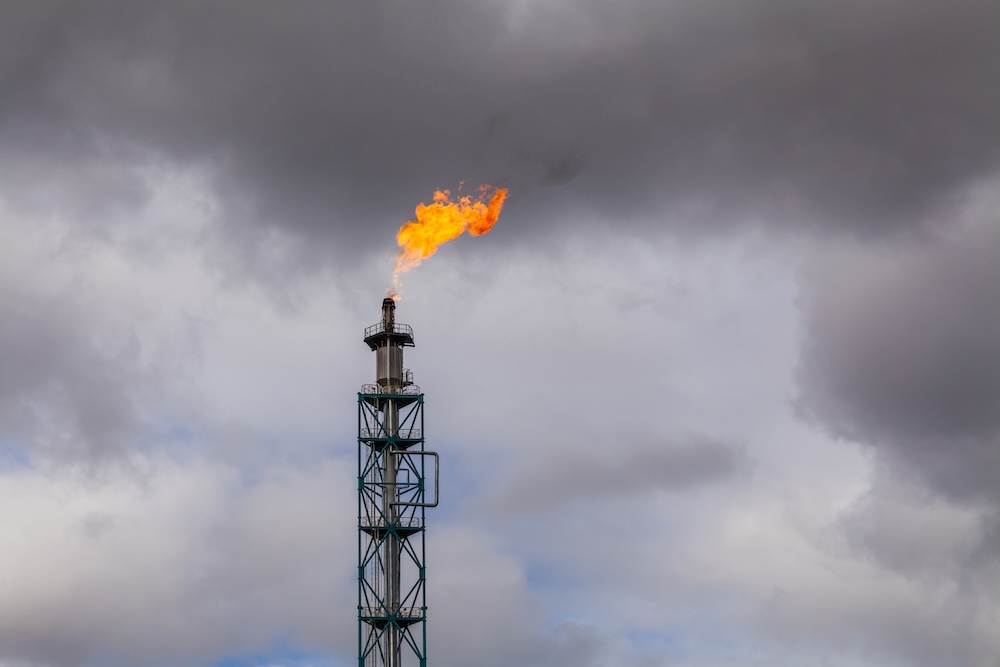
Most of us imagine fossil fuels as something far away — smokestacks, oil rigs, and coal trains in distant places. But the truth is, gas and coal still power far more of our daily lives than we realize. From the clothes we wear to the food we eat, fossil fuels are embedded in production, transportation, and even the electricity that charges our devices.
This isn’t just an environmental statistic — it’s a call to rethink the way we live. Every time we swap a fossil-fuel-dependent product or process for a cleaner option, we chip away at an industry that’s fueling climate change and polluting our air and water.
Here are 50 everyday things still tied to gas and coal — and what could replace them.
1. At Home: Energy, Appliances, and Essentials
- Electricity from coal-fired power plants — Still common in many regions, coal is one of the dirtiest sources of electricity. Alternative: Rooftop solar or community solar subscriptions.
- Gas stoves — Cooking with natural gas releases methane and indoor air pollutants. Alternative: Induction cooktops powered by renewable electricity.
- Water heaters running on gas — These consume fossil fuels every shower you take. Alternative: Electric heat pump water heaters.
- Gas furnaces — Home heating is still a top energy consumer. Alternative: Electric heat pumps that work for both heating and cooling.
- Clothes dryers — Many models still run on natural gas. Alternative: Electric dryers or air-drying racks.
- Plastic furniture — Often made with petroleum-based plastics. Alternative: Solid wood or recycled-material furniture.
- Gas fireplaces — Marketed as “clean,” but still fossil fuel burners. Alternative: Electric fireplaces or better home insulation for warmth.
- Synthetic carpets — Made from petroleum-derived fibers. Alternative: Wool, jute, or recycled fiber carpets.
2. Food and Drink: Farm to Table (and Beyond)
- Industrial agriculture fertilizers — Nitrogen fertilizers are made using natural gas. Alternative: Compost, cover crops, and organic soil amendments.
- Pesticides — Many are petroleum-based. Alternative: Integrated pest management and organic-approved sprays.
- Processed packaged foods — Production and packaging rely on fossil fuels. Alternative: Fresh, unpackaged foods and bulk purchases.
- Bottled water — PET plastic bottles come from petroleum, and bottling plants use fossil fuel electricity. Alternative: Reusable bottles and home water filtration.
- Coffee pods — Often plastic and aluminum made with fossil fuel energy. Alternative: Refillable coffee pods or French press.
- Frozen convenience meals — Require constant freezer energy, often powered by fossil fuels. Alternative: Batch cook and freeze using renewable energy.
- Meat from industrial farms — Feed production, processing, and transport burn fossil fuels. Alternative: Plant-based proteins or local pasture-raised meat.
- Imported produce — Air-freighted fruits and vegetables have a high fuel footprint. Alternative: Seasonal and locally grown produce.
3. Clothing and Consumer Goods
- Polyester clothing — Made directly from petroleum. Alternative: Organic cotton, hemp, or recycled fabrics.
- Fast fashion — Manufacturing and shipping rely heavily on coal-powered factories. Alternative: Buy less, choose quality, and support ethical brands.
- Synthetic athletic wear — Often blends of polyester, nylon, and spandex (all fossil fuel-based). Alternative: Recycled polyester or plant-based performance fabrics.
- Leather tanning — Energy-intensive processes often powered by coal. Alternative: Plant-based or mycelium leather.
- Cheap shoes — PVC and other plastics are petroleum products. Alternative: Natural rubber, cork, or recycled materials.
- Plastic jewelry — Made from fossil fuel derivatives. Alternative: Wood, recycled metals, or handmade natural materials.
- Backpacks and luggage — Often synthetic fabrics with plastic zippers. Alternative: Recycled PET fabrics or upcycled materials.
- Petroleum-based dyes — Common in mainstream fashion. Alternative: Natural plant-based dyes.
4. Transportation and Travel
- Gas-powered cars — Still the largest fossil fuel use for individuals. Alternative: EVs powered by renewable energy or public transit.
- Diesel buses and trucks — Burn fuel and release harmful particulates. Alternative: Electric buses and freight rail.
- Air travel — Planes are almost entirely dependent on jet fuel. Alternative: Trains, buses, or virtual meetings.
- Gas-powered lawnmowers — Contribute to local air pollution. Alternative: Manual push mowers or electric battery-powered ones.
- Recreational boats — Most run on gasoline or diesel. Alternative: Electric boats or wind-powered sailing.
- Motorcycles and scooters — Fossil fuel engines dominate. Alternative: Electric scooters and bikes.
- Delivery trucks — Fleet vehicles mostly run on diesel. Alternative: Consolidated deliveries, cargo bikes, or electric vans.
- Ride-hailing services — Majority of rides use fossil fuel vehicles. Alternative: Choose services with EV fleets.
5. Digital Life and Electronics
- Coal-powered data centers — Cloud storage and streaming require massive electricity. Alternative: Providers using 100% renewable energy.
- Smartphones — Production involves mining and fossil fuel-powered manufacturing. Alternative: Keep devices longer, buy refurbished.
- Game consoles — Assembly and operation rely on fossil fuel energy. Alternative: Choose energy-efficient devices.
- Laptops — Manufacturing involves fossil fuel-based plastics and metals. Alternative: Repairable, modular laptops.
- Streaming services — Energy use is tied to fossil-fuel-powered servers. Alternative: Download content, stream from renewable-backed platforms.
- E-waste — Old devices often end up in fossil-fuel-powered recycling plants or landfills. Alternative: Certified e-waste recycling programs.
- Cryptocurrency mining — Often powered by coal-heavy grids. Alternative: Low-energy blockchain tech or renewable-powered mining.
- Home Wi-Fi routers — Energy draw over time adds up. Alternative: Energy-efficient models and turning off when not in use.
6. Industry, Construction, and Infrastructure
- Concrete production — Cement manufacturing is fossil fuel-intensive. Alternative: Low-carbon concrete or alternative building materials.
- Steel manufacturing — Traditionally coal-powered blast furnaces. Alternative: Electric arc furnaces with renewable energy.
- Plastic packaging — Petroleum-based and pervasive. Alternative: Compostable plant-based materials.
- Asphalt roads — Made from bitumen, a petroleum product. Alternative: Recycled asphalt or permeable pavers.
- Industrial refrigeration — Runs on fossil fuel-generated electricity. Alternative: Renewable-powered refrigeration systems.
- Mining equipment — Diesel-powered heavy machinery. Alternative: Electric mining vehicles and reduced extraction.
- Chemical production — Many industrial chemicals are derived from petroleum. Alternative: Bio-based chemistry solutions.
- Gas-powered generators — Common backup power source. Alternative: Battery storage systems with solar or wind charging.
- Fossil fuel-powered shipping — Container ships run on bunker fuel. Alternative: Wind-assisted shipping or electrified short routes.
- Petrochemical plants — Produce everything from plastics to synthetic rubber. Alternative: Circular economy manufacturing and bio-based alternatives.
Final Thoughts
Every one of these 50 examples is a reminder that fossil fuels aren’t just “out there” — they’re embedded in the infrastructure of our lives. But that also means every swap we make has the potential to dismantle a piece of that system.
It’s not about perfection. It’s about persistence. Whether you’re choosing a solar plan, buying a recycled-fabric backpack, or replacing your gas stove with an induction cooktop, you’re making a statement about the future you want to live in. And when millions of people make those choices, it’s not just symbolic — it’s transformative.
The question is, which of these swaps will you start with today?


Reader Interactions